Table of Contents
ToggleWalking into a home where shoes are piled by the door, keys are missing, and bags are dumped on the floor sets the wrong tone for the entire space. An entryway table with shoe storage solves multiple problems at once: it corrects clutter, adds a flat surface for mail and decor, and keeps footwear hidden or organized. Whether you’re working with a narrow hallway or a spacious foyer, the right table can turn a chaotic entry into a functional, welcoming space without requiring a full renovation.
Key Takeaways
- An entryway table with shoe storage eliminates clutter at your home’s highest-traffic zone while providing a designated drop spot for keys, mail, and bags without requiring structural renovations.
- Console tables with open cubbies work best for narrow hallways and allow shoes to dry between wears, while bench-style tables with hidden compartments are ideal for larger entryways where multiple people need seating.
- Measure your entryway carefully—the table should not exceed two-thirds wall width, stay 12-16 inches deep in tight spaces, and maintain 4-6 inches of clearance above for mirrors or artwork.
- An entryway table with shoe storage protects flooring from scuffs and grit damage while forcing better household habits through visible, accessible organization.
- Style your tabletop by reserving 50-60% for functional items like key trays and mail bins, and use vertical space with mirrors or artwork above to enhance the welcoming feel.
- Choose solid wood for durability in dry climates or engineered wood for budget-friendly stability, and add bins or fabric cubes to organized open cubbies and hide visual clutter.
Why an Entryway Table With Shoe Storage Is a Game-Changer
The entryway is the highest-traffic zone in most homes, and it’s where dirt, clutter, and bad habits accumulate. A dedicated table with integrated shoe storage addresses the root cause: lack of a designated drop zone.
Most entryway tables measure 30 to 36 inches tall, placing the tabletop at a comfortable height for setting down bags, phones, or a bowl for keys. When shoe storage is built in, either as cubbies below the surface or compartments within a bench-style design, shoes stay off the floor and out of sight. This is especially useful in homes with kids, pets, or anyone who tracks in mud or snow.
From a building standpoint, these tables don’t require structural changes. They’re furniture, not built-ins, so renters can use them without landlord approval. And because they’re freestanding, they can move with you or be repurposed in a bedroom, mudroom, or hallway as needs change.
Functional entryway furniture also reduces wear on flooring. Shoes left on tile, hardwood, or laminate can scuff surfaces and trap grit that acts like sandpaper underfoot. A table with shoe storage contains that damage to a smaller, easier-to-clean area.
Finally, these pieces force better habits. When there’s a visible, accessible spot for shoes, people actually use it. That beats nagging or tripping over sneakers in the dark.
Types of Entryway Tables With Shoe Storage
Not all entryway tables are built the same. The two most common styles, console tables with open cubbies and bench-style tables with hidden compartments, serve different needs and spaces.
Console Tables With Open Cubbies
Console tables are narrow (usually 12 to 18 inches deep) and designed to sit flush against a wall. Models with open cubbies below the tabletop provide visible, accessible shoe storage without doors or lids.
Open cubbies work best when shoes are relatively clean and the household is disciplined about what goes where. Each cubby typically holds one to two pairs of adult shoes, depending on size. Some designs include adjustable shelves, which is useful if you’re storing boots in winter and sandals in summer.
The main advantage is airflow. Wet shoes or sneakers can dry out between wears, reducing odor and mildew. The downside is visibility, if shoes are muddy or mismatched, the entryway looks messy.
Console tables are ideal for narrow hallways, apartments, or homes where the entryway is more of a pass-through than a dedicated room. Many beginner woodworking projects feature console table builds that can be customized with cubby dimensions to fit specific shoe sizes or storage needs.
Bench-Style Tables With Hidden Compartments
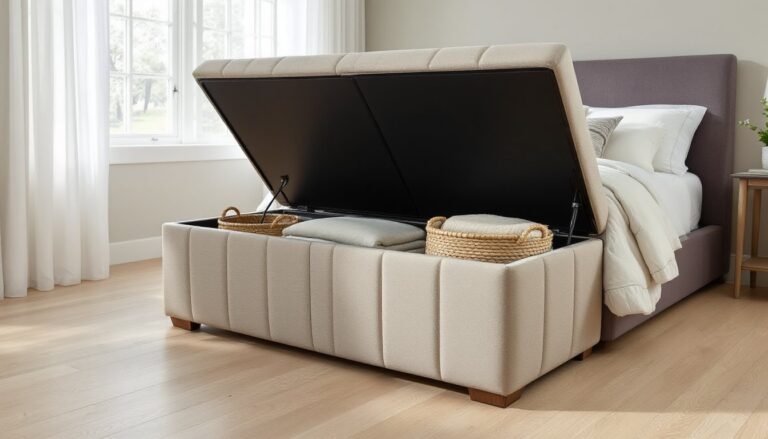
Bench-style tables double as seating, which makes them practical for putting on or taking off shoes. The shoe storage is typically hidden beneath a lift-top seat or behind hinged doors at the base.
These tables are wider and deeper than consoles, expect 16 to 20 inches deep and 48 to 60 inches wide for a standard two- or three-seat bench. The enclosed storage keeps shoes out of sight, which is cleaner visually and better for homes with pets or small children who might scatter shoes around.
Hidden compartments also trap dust and dirt inside the unit, so periodic cleaning is necessary. Ventilation can be an issue if shoes are stored damp: look for designs with small vents or slatted bases to promote airflow.
Some bench-style tables combine both features: open cubbies on the lower tier and a lift-top seat above. This adapted plan transforms a shoe rack bench into a multi-level entryway table with dedicated shoe storage and surface space for keys or decor.
Bench-style tables work well in mudrooms, larger entryways, or homes where multiple people need to sit and remove boots or work shoes daily.
How to Choose the Right Entryway Table for Your Space
Choosing the right table starts with measurements, not aesthetics. Measure the width of your entryway wall, the depth available without blocking the door swing, and the height clearance if you have wall-mounted hooks, light fixtures, or a thermostat nearby.
Width: The table should not exceed two-thirds the width of the wall it’s placed against. A 72-inch wall can comfortably fit a 48-inch table. Go narrower in tight spaces to avoid a cramped feel.
Depth: In a hallway or narrow entry, stick to 12 to 16 inches deep. Deeper tables (18+ inches) are fine in open foyers but will obstruct traffic flow in tight quarters. Always account for the door swing, measure the arc the door makes when fully open and ensure the table doesn’t interfere.
Height: Standard console tables are 30 to 36 inches tall. Bench-style tables are lower, usually 18 to 20 inches, to function as seating. If you plan to hang a mirror or artwork above the table, leave at least 4 to 6 inches of clearance between the tabletop and the bottom of the frame.
Next, consider shoe capacity. Count the number of people in the household and estimate pairs per person. A family of four might need space for 8 to 12 pairs of everyday shoes, plus seasonal overflow. Open cubbies typically hold fewer pairs than enclosed benches, so plan accordingly.
Material matters, especially in high-moisture or high-traffic areas. Solid wood (oak, maple, pine) is durable and repairable but can warp in humid climates unless sealed properly. Engineered wood (MDF, particleboard with veneer) is budget-friendly and stable but less resistant to dings and water damage. Metal frames with wood or laminate tops offer a modern look and hold up well to heavy use.
If you’re building your own, woodworking project plans often include material cut lists and assembly instructions that account for standard lumber dimensions (remember, a 2×4 is actually 1.5 x 3.5 inches).
Finally, think about assembly and maintenance. Flat-pack furniture is easier to move but may require re-tightening hardware over time. Solid or welded construction is sturdier but harder to transport. Enclosed compartments need occasional vacuuming or wiping to remove dirt tracked in by shoes.
Styling Your Entryway Table to Maximize Function and Beauty
A well-styled entryway table balances daily use with visual appeal. Start with the essentials: a tray or bowl for keys, loose change, and sunglasses: a small bin or basket for mail or dog leashes: and a lamp or task light if the entryway lacks overhead lighting.
Keep the tabletop surface clear enough to actually use. Reserve about 50 to 60 percent of the surface for functional items and the rest for decor. This prevents the table from becoming a junk drawer on legs.
Use vertical space. A mirror hung above the table reflects light and makes a small entryway feel larger. Aim for a mirror width that’s two-thirds to three-quarters the width of the table for visual balance. If you prefer artwork or a bulletin board, the same proportions apply.
For open cubbies, use bins, baskets, or fabric cubes to corral shoes and hide visual clutter. Label them if multiple people share the space. Bins also make it easier to pull out and clean the cubbies without moving individual shoes.
Add a runner or mat beneath the table to protect flooring and define the entryway zone. Choose a material that’s easy to shake out or vacuum, like low-pile synthetic fibers or natural coir.
If the table has a lower shelf or second tier, use it for less frequently accessed items: extra shoe-cleaning supplies, a lint roller, reusable shopping bags, or a basket for scarves and hats in winter.
Seasonal swaps keep the space fresh. In fall and winter, add a small tray for wet umbrellas or a boot tray beneath the table. In spring and summer, swap heavy boots for sandals and add a potted plant or vase of fresh greenery on the tabletop.
Avoid overloading the table with decor. A single statement piece, like a ceramic vase, a sculptural lamp, or a framed print, is more effective than a crowd of tchotchkes. The goal is a space that looks intentional but doesn’t require constant rearranging to stay functional.
Conclusion
An entryway table with shoe storage is one of the simplest upgrades a homeowner can make to improve daily function and curb clutter. Whether it’s a narrow console with open cubbies or a bench-style table with hidden compartments, the right piece turns a chaotic drop zone into an organized, welcoming space that works as hard as it looks.