Table of Contents
ToggleIf you’ve ever opened a bag of flour to find pantry moths or discovered stale cereal two days after opening the box, you already know why airtight storage bins matter. They’re not just about keeping food fresh, they protect everything from hardware screws to emergency supplies from moisture, pests, and oxidation. In basements, garages, pantries, and workshops, a good seal makes the difference between long-term storage and expensive waste. This guide walks through what makes a storage bin truly airtight, how to choose the right material and size for different applications, and practical ways to maximize space and longevity in every room of the home.
Key Takeaways
- Airtight storage bins with gasket-sealed lids prevent oxidation, moisture infiltration, and pest damage to food, tools, documents, and seasonal items across your home.
- Choose polypropylene or HDPE plastic for durability and affordability in garages and basements, or glass for pantry items where taste neutrality and visibility are priorities.
- Proper gasket maintenance, regular seal testing, and avoiding overfilling are essential to maintaining airtight storage bins’ effectiveness and extending their lifespan.
- Size your airtight storage bins with headspace consideration and standardize 2-3 bin sizes for maximum stackability, space efficiency, and vertical organization on shelving units.
- Label all bins with contents and storage dates, group items by category rather than room, and test seals every six months to ensure moisture control and pest prevention.
What Are Airtight Storage Bins and Why Do You Need Them?
Airtight storage bins are containers designed with gasket-sealed lids that create a barrier against air, moisture, and pests. The seal typically relies on a silicone or rubber gasket that compresses when the lid locks down, preventing oxygen exchange. This isn’t the same as a snap-lid container from the dollar store, true airtight bins use locking mechanisms (clips, latches, or screw-down lids) to maintain constant pressure on the gasket.
Why does that matter? Exposure to air causes oxidation, which degrades food quality, rusts metal fasteners, and encourages mold growth on paper goods or fabric. Moisture infiltration, even in climate-controlled homes, can ruin sensitive materials like documents, electronics, or seasonal clothing. Pests like weevils, silverfish, and mice can chew through cardboard and thin plastic, but they can’t breach a properly sealed airtight bin.
Homeowners need airtight storage for:
- Food preservation: Flour, sugar, pasta, and pet food stay fresh longer without exposure to humidity or insects.
- Workshop organization: Screws, nails, and small parts resist rust when sealed away from basement dampness.
- Seasonal gear: Holiday decorations, camping equipment, and off-season clothing remain clean and dry in attics or garages.
- Emergency preparedness: First-aid supplies, batteries, and documents stay functional and legible during long-term storage.
If the stored items would suffer from moisture, air, or pests over time, an airtight bin is the right tool.
Top Benefits of Using Airtight Storage Bins in Your Home
The upfront cost of quality airtight bins pays off in three measurable ways: extended shelf life, pest elimination, and moisture control.
Extended shelf life applies to more than groceries. Dry goods stored in airtight containers can last months or even years beyond their original packaging. Flour sealed in a bin with a gasket won’t absorb odors from the garage or go rancid from oxidation. Paint supplies, brushes, unopened cans, stir sticks, stay ready for the next project instead of drying out or collecting dust.
Pest elimination is non-negotiable in basements and pantries. Even a small gap lets weevils infiltrate grain products or silverfish damage paper. Airtight bins with four-sided latching lids (not just press-fit tops) block entry points entirely. Many pros recommend storing birdseed, pet food, and bulk grains in 20-30 quart bins with locking lids to prevent infestations before they start.
Moisture control protects everything from tools to textiles. In humid climates or unfinished basements, relative humidity above 60% encourages mold, mildew, and corrosion. A sealed bin maintains the interior climate at the moment of closure, pair it with a silica gel packet for extra insurance. This matters for storing hand tools, electronics, or leather goods that degrade when exposed to fluctuating moisture levels.
Secondary benefits include odor containment (especially useful for pet food or garage chemicals), stackable organization that maximizes vertical space, and the ability to see contents through clear bins without breaking the seal. Some modular storage systems integrate airtight features into customizable layouts, letting homeowners scale up as needs change.
Choosing the Right Airtight Storage Bins: Material and Size Considerations
Material choice depends on what you’re storing, where it’s going, and how often you’ll access it. Polypropylene (PP) and high-density polyethylene (HDPE) are the workhorses, BPA-free, impact-resistant, and affordable. They handle temperature swings in garages and won’t crack when stacked. Look for bins with sidewall thickness of at least 2mm for durability: thinner walls flex under pressure and compromise the seal.
Glass containers excel in pantries and kitchens where visibility and non-reactive surfaces matter. They won’t absorb odors or stain, and they’re microwave-safe (if you remove the lid). The downside? Weight and fragility. A 10-quart glass bin weighs roughly three times more than its plastic equivalent, making it impractical for overhead storage or frequent moving.
Stainless steel bins resist corrosion and dents, ideal for workshop environments where impact is likely. They block UV light completely, which protects light-sensitive materials like certain adhesives or photographic supplies. But, you can’t see contents without opening the lid, so labeling is essential.
Size matters as much as material. Overfilling a bin prevents the gasket from seating properly, leave at least 1 inch of headspace below the rim. Common sizing mistakes include:
- Using oversized bins for small quantities, wasting vertical space and creating air pockets that accelerate oxidation.
- Choosing bins too large to fit standard shelving units (most wire shelves are 12, 16, or 18 inches deep).
- Ignoring stackability, bins with recessed lids nest more securely than flat-tops.
For reference, a 6-quart bin holds about 5 pounds of flour, a 12-quart fits a 10-pound bag of rice, and a 20-quart accommodates a full bag of dog food or a seasonal wardrobe. Measure your shelving and contents before buying.
Plastic vs. Glass Airtight Containers
Plastic airtight bins dominate for bulk storage and rough-use environments. Polypropylene models resist cracking in cold garages (rated to -20°F), and they’re light enough to move when full. They’re the default choice for basements, attics, sheds, and workshops. But, plastic can absorb strong odors over time (garlic, onions, paint thinner) and may discolor with UV exposure if stored near windows.
Glass airtight containers shine in food storage where taste neutrality and visibility are priorities. Borosilicate glass handles thermal shock (fridge to counter), and it won’t leach chemicals into contents. Many homeowners prefer glass for daily-use pantry items, coffee, oats, pasta, where aesthetics and frequent access matter. The tradeoff is cost (typically 2-3x plastic) and breakage risk, especially around kids or in high-traffic areas.
For most DIYers, the practical answer is a hybrid approach: glass in the kitchen for frequently accessed food, plastic everywhere else for durability and value. Organizations that focus on home storage solutions often recommend this split to balance function and budget.
Best Uses for Airtight Storage Bins Throughout Your Home
Different rooms demand different sealing priorities. Here’s where airtight bins solve specific problems:
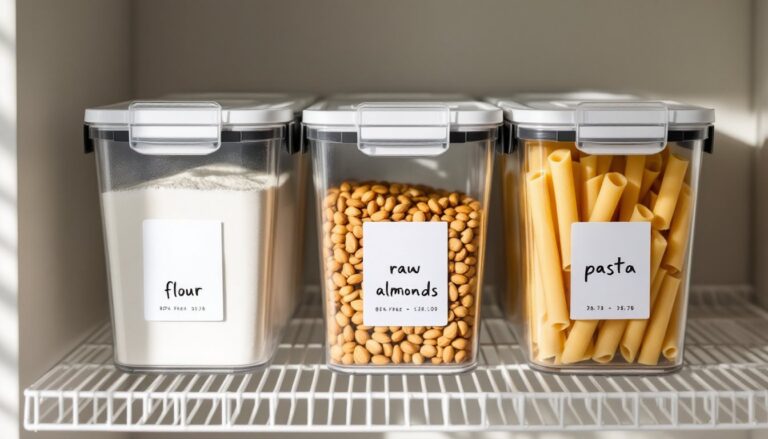
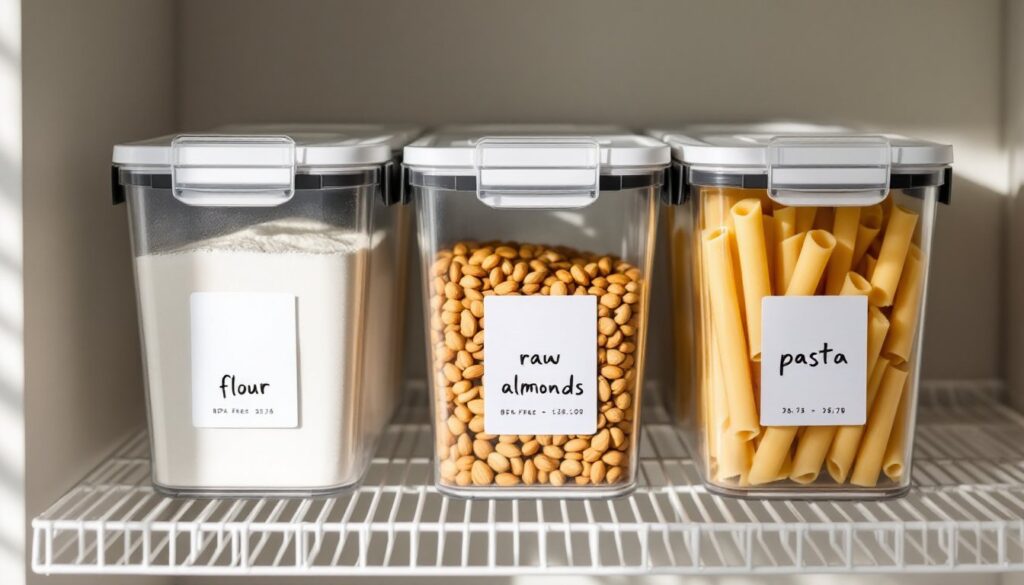
Pantry and kitchen: Store flour, sugar, cereal, pasta, baking supplies, pet food, and coffee. Use clear bins for quick identification and square shapes to eliminate wasted corner space. Label with contents and purchase date, flour lasts 6-8 months sealed, compared to 1-2 months in original packaging.
Garage and workshop: Protect fasteners (screws, nails, bolts), sandpaper, drill bits, and hand tools from rust. Small 1-2 quart bins with dividers keep hardware sorted and visible. For larger items like power tool accessories or extension cords, use 10-15 quart bins with gasket seals to block moisture in unheated spaces.
Basement and attic: Safeguard holiday decorations, seasonal clothing, camping gear, and documents. 30-50 quart bins maximize storage density while remaining liftable when full (aim for under 40 pounds per bin). Moisture is the enemy here, if you’re storing fabric or paper, toss in a silica gel desiccant pack and replace it annually. Some experts recommend airtight bins for protecting electronics and collectibles during long-term storage.
Bathroom and linen closet: Keep cotton swabs, bandages, and first-aid supplies dry. Humidity from showers degrades adhesive bandages and corrodes metal scissors. Small 3-6 quart bins fit under sinks and inside cabinets without hogging space.
Home office: Preserve important documents, photos, and backup drives. Paper degrades quickly in humid or dusty environments. Use letter-size document bins with silicone gaskets and store them on shelves, not directly on concrete floors where condensation can form.
Outdoor and shed: Seal fertilizer, seeds, and pet supplies to prevent clumping and pest intrusion. Bins stored outdoors should be UV-resistant polypropylene and elevated off the ground on shelving or pallets.
How to Properly Maintain and Care for Your Airtight Storage Bins
Airtight bins require minimal maintenance, but neglecting the gasket or latches shortens their lifespan and compromises the seal.
Inspect gaskets quarterly. Silicone and rubber gaskets dry out, crack, or warp over time, especially in extreme temperatures. Run your finger along the gasket: if it feels stiff, brittle, or has visible gaps, replace it. Many manufacturers sell replacement gasket kits for under $5. A degraded gasket loses 30-50% sealing efficiency, letting moisture and pests in.
Clean before storing. Residue from food, chemicals, or dust interferes with the seal. Wash bins with warm water and dish soap, then dry completely, trapped moisture inside the bin defeats the purpose. For stubborn odors (garlic, fish, solvents), soak plastic bins in a solution of 1 tablespoon baking soda per quart of water for 30 minutes.
Check latches and hinges. Plastic latches can fatigue and lose clamping force. If a latch no longer clicks firmly or the lid lifts easily without releasing the latch, it’s not sealing properly. Replace the bin or reinforce with an external strap if the contents are low-value.
Avoid overfilling. Forcing the lid shut on an overpacked bin warps the gasket and stresses the latches. As a rule, fill bins to no more than 90% capacity to ensure the lid seats evenly.
Store properly. Don’t stack heavy bins on lightweight ones, polypropylene can deform under sustained weight, breaking the seal on lower bins. Match stack weight to the bin’s load rating (usually printed on the bottom). Most 20-30 quart bins support 30-50 pounds when stacked.
Lubricate moving parts. If your bins have screw-down or twist-lock lids, apply a thin film of food-grade silicone lubricant to threads annually. This prevents binding and keeps the seal consistent.
Organizing Tips: Maximizing Space with Airtight Storage Solutions
Effective airtight storage isn’t just about the bins, it’s how you deploy them.
Standardize bin sizes. Mixing random sizes creates gaps and unstable stacks. Stick to 2-3 standard footprints (e.g., 6-quart, 12-quart, and 30-quart) so bins nest and stack uniformly. This approach, common in professional organizing systems, maximizes shelf utilization.
Use vertical space. Shelving units rated for 200+ pounds per shelf let you stack bins 4-5 high. Invest in 16-gauge steel shelving for garages and basements, it’s adjustable, rust-resistant, and handles the weight. Place frequently accessed bins at eye level, seasonal items higher, and rarely used supplies lowest.
Label everything. Even clear bins need labels if you’re stacking them. Use a permanent marker on masking tape or a label maker. Include contents and date stored. For bins stored in dim areas, reflective or high-contrast labels improve visibility.
Group by category, not by room. Store all fasteners together, all holiday decorations together, all camping gear together, even if they’re used in different places. This reduces duplicate purchases and speeds retrieval.
Leave access aisles. If bins are against a wall, ensure at least 24 inches of clearance in front for safe access. Reaching over stacks or squeezing between shelves invites accidents and makes retrieval a chore.
Rotate stock. For food or perishable supplies, practice first-in, first-out. Place newly filled bins behind older ones to use contents before they expire. Date labels make this foolproof.
Consider modular systems. Some airtight bins feature interlocking bases or modular trays that subdivide interior space. These work well for small parts, think screws, beads, or craft supplies, where separate bins would waste space. Simple approaches inspired by home organization philosophies often yield the most sustainable results.
Test the seal periodically. Every six months, check a few bins by pressing down on the lid. If it compresses easily or you hear air escaping, the gasket needs attention. A proper seal should resist downward pressure and spring back when released.