Table of Contents
ToggleGreen storage bins are having a moment, and for good reason. They bring a refreshing pop of color to spaces that often feel clinical or chaotic, while serving the same practical purpose as their beige and gray cousins. Whether you’re tackling a garage overhaul, organizing a playroom, or taming pantry chaos, green bins offer a surprisingly versatile solution that works with everything from farmhouse kitchens to modern minimalist dens. This guide walks through the types available, how to match them to your space, and creative ways to put them to work throughout your home.
Key Takeaways
- Green storage bins reduce mental fatigue and create calming, inviting organized spaces while hiding dirt better than lighter-colored alternatives.
- Choose plastic bins for moisture-prone areas like garages and basements, and fabric bins for dry, visible spaces like living rooms and offices.
- Match green storage bin shades to your décor—use muted sage tones for farmhouse style, emerald for modern minimalism, and darker forest green for industrial or rustic interiors.
- Implement green bins throughout your home with specific applications: assign bins per family member in mudrooms, use translucent bins for pantry visibility, and rotate toy bins monthly in kids’ rooms.
- Invest in bins with reinforced handles, gasket-sealed lids for attic storage, and ensure proper installation with wall anchors when mounting heavy-duty solutions holding more than 20 pounds.
Why Choose Green Storage Bins for Your Home
Color matters more than most DIYers realize when it comes to organization systems that actually stick. Green storage bins offer psychological and practical benefits that neutral tones don’t.
First, green is easier on the eyes during long sorting or cleaning sessions. Studies in environmental psychology show that green tones reduce mental fatigue, helpful when you’re three hours into a basement cleanout. It’s also naturally calming, which makes organized spaces feel more inviting rather than sterile.
From a design standpoint, green works as both an accent and a neutral depending on the shade. Forest green and hunter green bins read almost neutral in rustic or traditional spaces, blending with wood tones and earth palettes. Sage and mint green options pop against white shiplap or subway tile without clashing. Emerald or kelly green bins make bold statements in modern or eclectic rooms.
Green also hides dirt better than white or light gray bins, a real advantage in garages, mudrooms, or kids’ spaces where grime accumulates. Scuffs and dust are less visible, so bins look cleaner longer between washes.
Finally, if you’re organizing a shared space, color-coding with green bins (alongside other colors) helps family members quickly identify where things belong. Green for gardening supplies, blue for sports gear, red for holiday décor, it’s a simple visual system that doesn’t require printed labels.
Types of Green Storage Bins and Their Best Uses
Not all green bins are created equal. The material, construction, and features determine where they’ll perform best.
Plastic Green Storage Bins
Injection-molded polypropylene bins are the workhorses of home storage. They’re lightweight, stackable, and resistant to moisture, ideal for basements, attics, and garages where humidity or temperature swings are common. Look for bins with reinforced corners and snap-latch lids if you’re stacking more than three high: cheap bins will bow under weight.
For heavy-duty use (tools, hardware, seasonal décor), choose bins with walls at least 3mm thick. Translucent green bins let you glimpse contents without opening them, which speeds up retrieval. Opaque options are better for items you’d rather not display, think old tax records or sentimental clutter you’re not ready to part with.
Most plastic bins are rated to hold 15 to 50 pounds depending on size. A standard 66-quart bin (roughly 24″ L × 16″ W × 13″ H) comfortably holds winter coats, bedding, or camping gear. 12-quart bins work well for pantry staples, craft supplies, or under-sink organization.
One caution: avoid storing plastic bins in direct sunlight for extended periods. UV exposure degrades polypropylene, making it brittle. If bins will live in a sunny garage or shed, consider UV-stabilized varieties.
Fabric and Canvas Green Bins
Fabric bins excel in living spaces where aesthetics matter as much as function. They’re typically made from cotton canvas, polyester blends, or jute, often with wire frames or cardboard inserts for structure.
Canvas bins in sage or olive green fit beautifully on open shelving in living rooms, nurseries, or home offices. They’re softer to the touch than plastic, quieter when moved (no rattling lids), and fold flat when not in use, a huge plus in small homes. Most measure 10″ to 13″ cubed, perfect for modular storage cubes in closet systems or media centers.
Fabric bins work best for lightweight, dry items: books, toys, linens, cables, or folded clothes. They’re not moisture-proof, so skip them for bathrooms, laundry rooms, or anywhere prone to spills. Some canvas bins have wipeable liners or are machine-washable, check care tags before loading them with sticky-fingered kids’ art supplies.
Handles are key. Reinforced grommets or double-stitched webbing handles hold up better than sewn-on tabs, especially if you’ll be pulling bins off high shelves regularly. Bins without handles are fine for stationary use but frustrating if you’re constantly rearranging.
How to Match Green Storage Bins with Your Decor Style
Green isn’t one-size-fits-all. The shade and finish you choose should complement your existing palette and style.
Farmhouse and cottage styles pair well with muted sage, celadon, or moss green fabric bins. Look for natural textures, linen, burlap, or woven seagrass bins with green accents. Pair them with white or cream shelving, galvanized metal brackets, and wood tones for a cohesive look.
Modern and minimalist spaces benefit from solid emerald or teal green plastic bins with clean lines and no visible hardware. Opt for matte finishes rather than glossy: they read more sophisticated. Stack them uniformly on open shelving or inside closets with matching labels in sans-serif fonts.
Rustic and industrial interiors can handle dark forest green or hunter green heavy-duty bins. Metal bins with green powder-coat finishes look fantastic in garages, workshops, or utility rooms with exposed brick or concrete. They stand up to heavy use and age gracefully, dents and scratches add character rather than looking shabby.
Eclectic and bohemian rooms give you the most flexibility. Mix lime green, kelly green, and olive bins in varying sizes and materials. Layer them with other bright colors, patterns, and textures. Woven bins, patterned fabric bins, and painted wood crates can all coexist if you keep one unifying element, like all-green tones or matching hardware.
If you’re unsure, start with one shade of green and repeat it in three places around the room (the classic designer’s rule of three). For example, sage green bins on a bookshelf, a sage throw pillow, and a sage-framed print. It ties the space together without feeling matchy-matchy.
Consider finish, too. Glossy bins reflect light and feel more playful, great for kids’ rooms or craft spaces. Matte bins absorb light and feel grounded, better for adult bedrooms, offices, or formal living areas. Many durable plastic storage solutions come in both finishes.
Creative Ways to Use Green Storage Bins Throughout Your Home
Once you’ve picked your bins, the real fun begins. Here are specific applications that go beyond “throw stuff in a box.”
Mudroom and entryway: Assign each family member a green bin for shoes, bags, or seasonal accessories. Mount them on a wall-mounted cubby system at kid-friendly heights (bottom cubbies 12″ to 18″ off the floor for toddlers, 24″ to 30″ for older kids). Label with names or photos for non-readers.
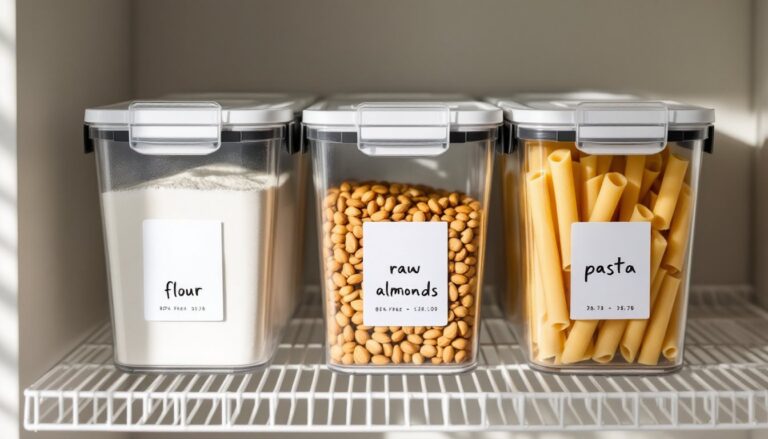
Pantry organization: Use clear or translucent green bins to corral like items, baking supplies, snack packs, canned goods. Standard pantry shelves are 12″ to 16″ deep, so choose bins 10″ to 12″ deep to avoid wasted space at the back. Pull-out bins on drawer slides make deep shelves more accessible, though installation requires drilling into shelving or cabinet sides.
Garage and workshop: Stack heavy-duty green bins on industrial metal shelving rated for at least 500 pounds per shelf. Store seasonal décor, camping gear, or automotive supplies. If you’re in a humid climate, toss a few silica gel packets in each bin to prevent mold on fabric items. Keep bins at least 6″ off the garage floor to avoid water damage from minor leaks or flooding.
Kids’ rooms: Low, open green bins are perfect for toy rotation systems. Keep half the toys in labeled bins in a closet, swap them monthly to keep playtime fresh. According to research on home organization, rotating toys reduces clutter and increases engagement. Fabric bins are quieter during cleanup than plastic, less crashing and clattering at bedtime.
Home office: Use small green desk organizer bins for cords, chargers, sticky notes, and pens. Larger bins on shelving can hold printer paper, old files, or shipping supplies. If you’re working with limited space, experts at Apartment Therapy recommend bins with built-in dividers or adjustable compartments for maximum flexibility.
Laundry room: Assign green bins for sorting, one for delicates, one for towels, one for dark colors. Perforated plastic bins allow airflow and prevent musty odors. Mount them on a wall rack or stack on wire shelving above the washer and dryer. Ensure the rack is anchored into wall studs (typically 16″ on center in modern homes) with 3″ lag bolts if you’re holding more than 20 pounds total.
Bathroom: Small waterproof green bins work under sinks for cleaning supplies, extra toiletries, or hair tools. Measure your under-sink space first, many cabinets have plumbing that eats into usable width. Bins 8″ to 10″ wide typically fit around standard P-traps. For tips on organizing smaller bathrooms, Martha Stewart’s guide offers practical layouts that maximize vertical space.
Attic storage: If you’re storing keepsakes or documents long-term, choose airtight green bins with gasket-sealed lids. Standard plastic bins aren’t rodent-proof, if that’s a concern, look for bins with locking latches and consider adding wire mesh shelving (rodents can chew through wood or particle board). Clearly label bins with contents and date: six months from now you won’t remember which green bin holds holiday lights versus winter boots.
Conclusion
Green storage bins bring function and personality to spaces that often lack both. By choosing the right material and shade for each room, they become part of the décor rather than an eyesore to hide. Start with one area, a mudroom, a pantry shelf, a garage corner, and build from there as you see what works in your home.