Table of Contents
ToggleJewelry theft doesn’t always come from break-ins. A surprising number of burglaries happen quickly, smash-and-grab thieves spend less than ten minutes inside a home, targeting obvious spots like dresser tops and jewelry boxes. Hidden storage solutions serve two purposes: they protect valuables from opportunistic thieves who don’t have time to search thoroughly, and they keep expensive pieces out of sight during open houses, contractor visits, or short-term rental turnovers. Whether retrofitting existing furniture or building custom compartments, concealed jewelry storage combines practical security with clean, uncluttered design.
Key Takeaways
- Hidden jewelry storage solutions protect valuables from opportunistic thieves who spend less than ten minutes searching homes by concealing items in non-obvious locations.
- False-bottom drawers, hinged mirrors, and retrofitted furniture compartments are DIY-friendly hidden jewelry storage options that cost $30–$100 and require only basic tools and carpentry skills.
- Concealed compartments also preserve jewelry quality by protecting items from tarnishing, tangling, and humidity damage compared to visible storage boxes.
- Bedroom-specific hiding spots like hollowed books, baseboard safes, closet rod caps, and repurposed kitchen containers offer budget-friendly alternatives to commercial furniture solutions.
- For valuables appraised over $5,000, hidden storage should complement a UL-rated safe bolted to floor joists, as concealed compartments alone don’t substitute for professional-grade security.
- Keep a discreet inventory of hidden items stored separately to prevent losing track of where valuables are concealed.
Why Hidden Jewelry Storage Is a Smart Choice
Visible jewelry boxes advertise their contents. Even locked boxes invite attention, and most residential-grade locks can be defeated with basic tools in seconds.
Hidden storage works on a different principle: security through obscurity. A thief moving quickly through bedrooms will check nightstands, top dresser drawers, and closet shelves, the predictable spots. They won’t disassemble a headboard or check whether a wall-mounted mirror swings open.
Beyond theft protection, concealed storage prevents tarnishing and tangling. Necklaces stored flat in divided compartments don’t knot. Sterling silver kept in lined, enclosed spaces oxidizes slower than pieces left exposed to air and humidity. For anyone with a meaningful collection, heirlooms, high-value items, or simply sentimental pieces, hidden storage adds a layer of protection that decorative trays and countertop organizers can’t match.
It’s worth noting: hidden storage isn’t a substitute for a home safe or insurance. For appraisals over $5,000, consider a UL-rated safe bolted to floor joists or wall studs. But for everyday security and organization, concealed compartments outperform visible boxes.
Furniture with Secret Compartments
Furniture manufacturers now build concealment into standard pieces, but retrofitting existing furniture is straightforward with basic carpentry skills.
Nightstands and dressers are natural candidates. A false bottom in a drawer creates a hidden compartment without altering the exterior. Measure the interior drawer dimensions, cut a piece of 1/4-inch plywood to fit, and rest it on small wood cleats (1/2-inch square stock) glued 1 to 2 inches below the drawer’s top edge. The drawer functions normally but hides a shallow compartment underneath. Line it with felt to prevent scratches.
Headboards offer surprising capacity. Hollow headboards can be retrofitted with hinged panels. For upholstered headboards, remove the fabric backing, install a frame with piano hinges along one edge, and add a magnetic catch. Reattach the fabric. The same technique works for footboards and bed frames with built-in storage.
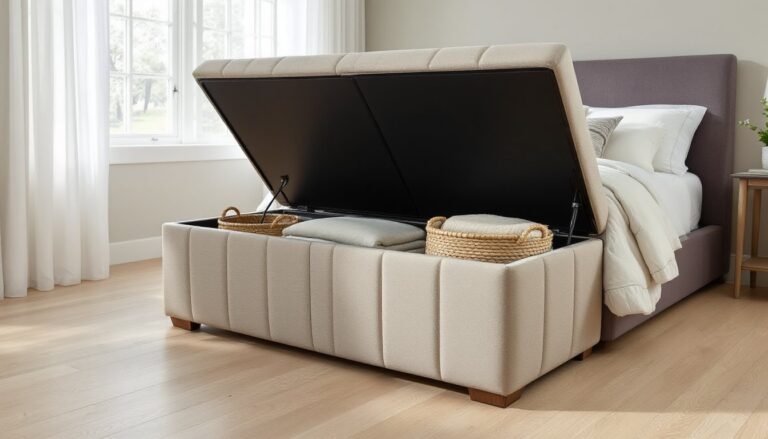
Ottoman and bench seats with lift-tops are commercially available, but adding a false bottom follows the same plywood-and-cleat method as dresser drawers. This works best in ottomans deeper than 10 inches: shallower units don’t leave enough usable storage above the false floor.
One caution: if furniture will be moved frequently (rental turnover, staging), make sure hidden compartments are secured. Loose false bottoms can shift and jam drawers.
Mirrors and Wall-Mounted Concealed Storage
Wall-mounted mirrors with hidden storage behind them are commercially available, but the DIY version costs a fraction and customizes to exact needs.
The simplest build uses a full-length mirror mounted on hinges. Attach two strap hinges or piano hinges to a wood frame behind the mirror, then screw the frame to wall studs. Add a magnetic catch on the opposite edge to keep it flush when closed. Behind the mirror, install a shallow cabinet (3 to 4 inches deep) with shelves or hooks. Use 1×4 or 1×6 pine for the cabinet frame: deeper cabinets risk protruding too far from the wall and looking bulky.
Mirror weight matters. A 48-inch mirror with a wood backing can exceed 30 pounds. Anchor to studs, not drywall alone, and use hinges rated for the load. If studs don’t align where you need them, install a horizontal backer board (a 1×4 or 1×6 spanning two studs) and mount the hinge frame to that.
For renters or those avoiding wall penetrations, leaning floor mirrors can hide items behind them, though this offers less security. A better renter-friendly option is a jewelry armoire disguised as a standing mirror, these are freestanding and require no installation.
The IKEA STAVE mirror hides jewellery organiser tutorial demonstrates a budget-friendly version using a stock mirror and basic hardware. The project takes about two hours and requires only a drill, level, and screwdriver.
Creative DIY Hidden Storage Solutions
DIYers with moderate woodworking skills can integrate storage into trim, baseboards, and architectural details.
Baseboard safes are narrow compartments hidden behind removable sections of baseboard trim. This works in rooms with baseboards 4 inches tall or taller. Cut a section of baseboard (12 to 18 inches long), remove it, and recess a shallow box (1 to 2 inches deep) into the wall cavity between studs. The baseboard piece reattaches with small magnets or a friction fit. This won’t hold bulky items, but flat jewelry, documents, or cash fit easily.
Important: avoid exterior walls if the cavity is filled with insulation. Interior walls between rooms typically have empty stud bays, making them better candidates. And check for electrical wiring or plumbing before cutting, use a stud finder with wire detection.
Hollowed books are a classic option, though they require patience. Use a hardcover book at least 2 inches thick. Clamp the pages, seal the edges with watered-down white glue, let it dry, then cut a rectangular cavity with a utility knife or router. Line the cavity with felt or fabric. This works best on a bookshelf with other books for camouflage.
For more elaborate projects, platforms like Instructables feature step-by-step guides for custom builds, including false wall outlets (non-functional outlet covers that unscrew to reveal a small cavity) and picture frame safes.
Tool requirements vary. Baseboard safes need a handsaw or oscillating multi-tool, a chisel, and a drill. Hollowed books need a sharp utility knife and clamps. Always wear safety glasses when cutting or routing, and a dust mask if working with MDF or treated lumber.
Bedroom-Specific Hiding Spots
Bedrooms offer dozens of underutilized spaces that don’t require construction.
Clothing can conceal small items. Roll jewelry in socks stored in a drawer, or pin brooches inside the lining of a coat. This isn’t secure against a determined search, but it’s effective against quick sweeps. For travel, this doubles as packing protection.
Closet rods in walk-in closets sometimes have hollow ends. Remove the end cap (usually friction-fit or held with a small screw), slide small items into the rod, and replace the cap. This works only with metal or thick-walled plastic rods: thin wire rods collapse under weight.
Air vents (return vents, not supply vents) can be removed to access wall cavities, but this is risky. HVAC systems pull dust and debris: anything stored inside will get filthy. If using this method, place items in a sealed plastic bag or small container.
Under-bed storage is obvious, but a false bottom in an under-bed drawer isn’t. The same plywood-and-cleat technique from dresser drawers applies here. For platform beds with no drawers, consider a custom box that mounts to the underside of the bed frame with L-brackets.
Bedroom safes disguised as furniture, nightstands with locking compartments, bed frames with built-in safes, are commercially available but expensive. Expect to pay $300 to $800 for a quality piece. DIY alternatives cost $30 to $100 in materials, assuming basic tools are already on hand.
Everyday Items That Double as Jewelry Safes
Repurposed household items make effective decoys when placed in plain sight.
Faux electrical outlets and wall clocks with hidden compartments are sold specifically for this purpose. The outlet version installs in place of a standard wall plate (no electrical work required: it’s purely decorative). The clock version has a hinged face that opens to reveal a shallow compartment. Both are available online for $15 to $30.
Decorative tins and boxes on shelves blend in when surrounded by books or décor. Choose containers that don’t look valuable, a dented vintage tin or a plain wooden box is less tempting than ornate jewelry boxes.
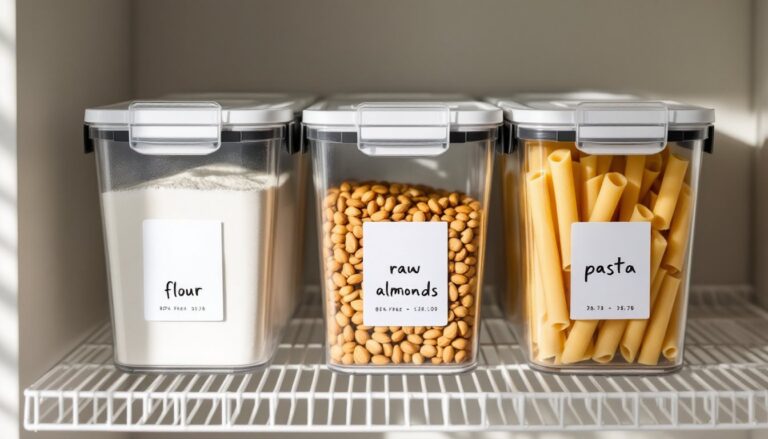
Kitchen canisters in bedrooms are unusual enough to be overlooked. A ceramic canister labeled “flour” on a bedroom shelf doesn’t make sense, which is exactly the point, it’s unexpected. This works better in multipurpose rooms (studio apartments, home offices) where kitchen items don’t seem out of place.
False-bottom plant pots can be created by placing a smaller pot inside a larger decorative planter, with the gap between them used for storage. Add a layer of pebbles or moss on top to conceal the opening. Live plants work, but artificial plants eliminate watering mess.
Many home organization tips focus on visibility and accessibility, but hidden storage inverts that logic, the goal is to make items invisible without forgetting where they are. Keep a discreet inventory (stored separately, not in the same location) to avoid losing track of what’s hidden where.
Conclusion
Hidden jewelry storage doesn’t require expensive safes or professional installation. A few hours with basic tools, or even just strategic repurposing of everyday items, creates layers of security that visible boxes can’t match. Whether building a false-bottom drawer, hinging a mirror to the wall, or hollowing out a book, the goal is the same: make valuables invisible to anyone in a hurry. Start with one or two projects, test what works in your space, and expand from there.