Table of Contents
ToggleWalk into any professional garage or workshop and you’ll spot them instantly, sturdy metal bins lining the walls, stacked on shelves, and holding everything from fasteners to finish nails. Industrial metal storage bins aren’t just for factories anymore. Homeowners and DIYers are bringing these heavy-duty organizers into basements, sheds, craft rooms, and even kitchens. They’re tougher than plastic totes, last decades longer, and give your space that clean, no-nonsense look that says you mean business. Whether you’re reorganizing a two-car garage or setting up a backyard workshop, metal bins offer durability and versatility that other storage solutions can’t match.
Key Takeaways
- Industrial metal storage bins outlast plastic alternatives by 20+ years due to galvanized steel or powder-coated finishes that resist rust, dents, and temperature extremes.
- Metal bins support 50-100 lbs per bin and won’t crack under heavy loads like fasteners or power tools, making them superior for professional workshops and home storage.
- Stackable metal storage bins feature interlocking ribs for safe vertical stacking up to 4-6 units high, while wall-mounted options free up floor space when installed into studs with proper hardware.
- Choose bin size based on inventory (small for fasteners, medium for hand tools, large for bulk materials) and always measure shelf depth to ensure bins fit without overhang.
- Metal bins offer fire resistance, pest deterrence, and a professional appearance suitable for garages, pantries, craft rooms, home offices, and outdoor sheds—with removable magnetic labels for easy reorganization.
What Are Industrial Metal Storage Bins?
Industrial metal storage bins are heavy-duty containers designed to hold hardware, tools, parts, and materials in environments where durability matters. Unlike consumer-grade plastic bins that crack in cold weather or warp under weight, metal bins, typically made from galvanized steel, powder-coated steel, or aluminum, stand up to temperature swings, impacts, and years of regular use.
These bins come in a range of sizes, from small parts bins (4″ x 6″ x 3″) perfect for screws and washers, up to large-capacity bins (24″ x 18″ x 12″) that can hold power tools or bulk materials. Most feature reinforced edges and stacking ribs that let you build vertical storage without bins collapsing under load.
You’ll find them in two main formats: open-front bins (also called hopper bins) that give quick access to contents, and lidded bins that keep dust and moisture out. The industrial-grade versions often include label holders or color-coding options, making inventory tracking straightforward even in a packed workshop.
Why Choose Metal Storage Bins for Your Home or Workshop?
Metal bins solve problems that plague other storage options. Here’s what makes them worth the investment:
Longevity. A quality metal bin will outlast a dozen plastic totes. Galvanized steel resists rust even in damp basements or unheated garages. Powder-coated finishes add an extra layer of protection and come in colors that help with organization. Expect 20+ years of service if you choose bins with proper coatings.
Load capacity. Most industrial metal bins for storage handle 50-100 lbs per bin when stacked, and heavier-gauge options can support even more. That’s critical if you’re storing fastener boxes, bags of tile spacers, or collections of hand planes. Plastic bins sag or crack under that kind of weight.
Fire resistance. Metal won’t melt or contribute fuel if a space heater tips over or a battery charger malfunctions. This matters more than most DIYers realize, many home fires start in garages and workshops. Metal bins won’t eliminate fire risk, but they won’t make it worse.
Pest deterrence. Mice can’t chew through steel. If you’ve ever found a rodent nest inside a plastic bin full of shop rags, you’ll appreciate this feature. Metal bins for storage keep contents secure from pests that plague basements and sheds.
Professional appearance. There’s a reason contractors and cabinet shops use metal bins, they look intentional and organized. If your workspace doubles as a side business area or you’re planning to sell your home, well-organized storage solutions can make a surprisingly strong impression during walkthroughs.
Types of Industrial Metal Storage Bins
Not all metal bins serve the same purpose. Choosing the right type depends on your space constraints, what you’re storing, and how often you need access.
Stackable Metal Bins
Stackable bins are the workhorses of workshop storage. They feature interlocking ribs on top and bottom that prevent shifting when stacked 4-6 units high. The open-front design (often at a 45° angle) lets you see and grab contents without unstacking.
Sizing considerations: Small bins (6″ x 9″ x 5″) work well for fasteners, electrical components, or craft supplies. Medium bins (12″ x 11″ x 7″) suit hand tools, paint supplies, or plumbing fittings. Large bins (18″ x 16″ x 11″) can hold power tool accessories, rope, or bulk hardware.
Weight distribution matters. Always place heavier bins on lower shelves or the bottom of a stack. A stack that’s top-heavy can tip during an earthquake or if bumped hard. Most building codes don’t address standalone shelving, but if you’re in a seismic zone, consider anchoring tall stacks to wall studs with L-brackets and 1/4″ lag screws.
Material gauge: Look for bins made from 24-gauge steel or heavier (lower numbers = thicker metal). Lighter gauges dent easily and may not support stated weight capacities when stacked. Run your fingernail across the edge, if it feels flimsy, it probably is.
Wall-Mounted Metal Bins
Wall-mounted bins attach to louvered panels, pegboard, or rail systems, freeing up floor and shelf space. They’re ideal for frequently used items, drill bits, sandpaper grits, caulk tubes, that you want at eye level.
Mounting systems vary. Louvered steel panels (also called slatwall) are the most robust option. They mount directly to studs with 3″ construction screws and accept bins with specialized hooks. A 4′ x 8′ panel can hold 30-40 small bins. Pegboard works but limits bin size and weight, standard 1/4″ pegboard sags under more than 20-25 lbs per square foot.
Installation tip: Always hit studs. Drywall anchors aren’t sufficient for loaded bins. Use a stud finder, mark centers at 16″ on-center (standard residential framing), and drive screws into at least three studs for a 4′ panel. If your wall has metal studs (common in newer construction), use #10 self-drilling screws rated for steel framing.
Accessibility: Mount bins between 36″ and 60″ off the floor for comfortable access without a step stool. Lower mounting works if you’re using bins for seasonal items or overflow storage. For workshop projects that benefit from detailed planning, many builders reference step-by-step project guides to avoid common mounting mistakes.
How to Select the Right Metal Storage Bins for Your Needs
Choosing bins isn’t complicated, but it helps to work backward from what you’re storing and where.
Step 1: Inventory what you’re storing. Group items by size and frequency of use. Fasteners, small parts, and craft supplies suit bins 6″ or smaller. Hand tools, spray paint, and electrical supplies need 8-12″ bins. Bulk materials, seasonal items, or power tool cases require 12″+ bins.
Step 2: Measure your space. A common mistake is buying bins that don’t fit existing shelves. Standard wire shelving is 12″, 16″, or 18″ deep, buy bins 1-2″ shallower than the shelf depth so they don’t hang over the edge. If you’re building new shelving, 2×4 framing with 3/4″ plywood shelves gives you custom depths and can support 75+ lbs per linear foot when brackets are spaced 32″ apart.
Step 3: Decide on finish. Galvanized steel resists rust and suits damp environments (basements, outdoor sheds). Powder-coated steel adds color-coding options and a smoother finish that’s easier to label. Aluminum bins are lightest and fully rust-proof but cost 30-50% more and dent more easily than steel.
Step 4: Check weight capacity. Manufacturers list two specs: per-bin capacity (how much the bin itself holds) and stacking capacity (how much weight bins can support when stacked). If you’re storing heavy items, pick bins rated for at least 75 lbs per bin and 150 lbs stacking load.
Step 5: Consider label systems. Bins with built-in card holders or magnetic label strips make reorganization easier than permanent marker. If you’ve ever needed to relabel 40 bins after a workshop overhaul, you’ll appreciate removable labels. According to product testing from trusted review sources, magnetic labeling systems hold up better over time than adhesive options in dusty workshops.
Cost reality check: Expect to pay $8-15 for small bins, $15-30 for medium, and $30-60 for large bins, depending on gauge and finish. Buying in bulk (10-20 bins) often cuts per-unit cost by 20-30%. Factor in mounting hardware if going with wall-mount systems, louvered panels run $40-70 for a 4′ x 4′ section, plus bin hooks at $2-4 each.
Creative Ways to Use Metal Storage Bins in Your Home
Industrial metal bins aren’t confined to garages. Here’s how DIYers are using them in unexpected spaces:
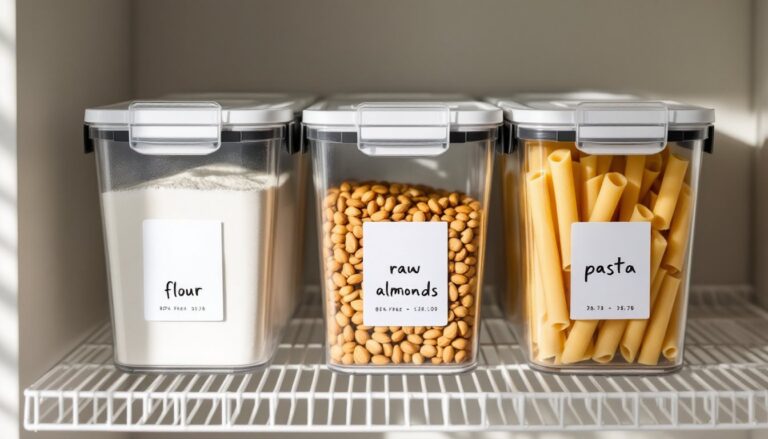
Kitchen pantry. Small to medium metal bins corral baking supplies, snack bags, or root vegetables. Galvanized bins add farmhouse-industrial style and clean up easier than wicker baskets. Mount a louvered panel inside a pantry door for spices or tea bags.
Craft and hobby rooms. Stackable bins organize yarn, fabric scraps, paint tubes, or model-building supplies. The metal construction handles the weight of full paint jars better than flimsy plastic. Color-coding by project or material type speeds up finding what you need mid-project.
Laundry areas. Use bins to sort recyclables, hold cleaning supplies, or store out-of-season linens. Wall-mounted bins keep detergent and stain removers off the floor and away from kids or pets. Metal won’t absorb detergent spills or develop odors like plastic can.
Home offices. Small metal bins make desktop organizers for pens, chargers, and USB drives. Larger bins under a desk can hold printer paper, shipping supplies, or archived files. The industrial look pairs well with modern or minimalist office setups.
Outdoor sheds and greenhouses. Metal bins resist UV damage, won’t warp in summer heat, and keep seeds, bulbs, and hand tools dry. Make sure bins have drainage holes if storing wet items like potting soil or fertilizer, drill 1/4″ holes in the bottom corners if they don’t come pre-drilled.
Kids’ rooms (with supervision). Older kids can use bins for sports equipment, art supplies, or building toys. Avoid sharp-edged bins in spaces with young children, look for rounded or rolled edges. Some manufacturers offer bins with safety edges that eliminate cut hazards.
Safety note: When using bins for anything other than their intended purpose, ensure they’re stable. A top-heavy stack of bins full of books or canned goods can tip onto a child or pet. Anchor tall stacks to the wall or keep stacks under 4 feet high in high-traffic areas.
Whether you’re overhauling a chaotic garage or adding function to a laundry room, metal storage bins bring order that lasts. They’re an investment in keeping your space usable and your projects on track.