Table of Contents
ToggleSmall bedrooms demand clever storage, there’s no room for wasted space or clutter creep. The challenge isn’t just about fitting everything in: it’s about making the room feel open and functional while keeping belongings accessible. With rising home prices and smaller floor plans becoming the norm, maximizing every square foot has become essential. The good news? Smart storage solutions don’t require knocking down walls or hiring a contractor. From vertical systems to hidden compartments, these practical strategies help homeowners reclaim their space without sacrificing style or comfort.
Key Takeaways
- Small bedroom storage strategies focus on three core principles: utilizing vertical space, choosing multi-functional pieces, and creating hidden storage that maintains a clean aesthetic.
- Vertical wall-mounted systems like floating shelves, pegboards, and corner shelving units make rooms feel more spacious by pulling belongings off the floor and drawing the eye upward.
- Under-bed storage with rolling bins, bed risers, or platform beds with integrated drawers provides 10-15 cubic feet of prime storage real estate while keeping the room uncluttered.
- Multi-functional furniture such as storage ottomans, wall-mounted fold-down desks, and headboards with built-in shelving eliminates the need to choose between seating, surface space, and storage.
- Double-hang closet rods, slim velvet hangers (which save 30-40% more space), and shelf dividers instantly increase closet capacity without expanding the footprint.
- Hidden storage solutions like hollow ottomans, false drawer fronts, and mirror cabinets maximize capacity while maintaining clean aesthetics, making small bedroom storage feel intentional rather than cramped.
Why Small Bedrooms Need Smart Storage Solutions
Small bedrooms amplify every storage mistake. Leave shoes by the door in a larger room and it’s barely noticeable: do the same in a 10×10 bedroom and the entire space feels chaotic. Square footage limitations mean traditional storage furniture, bulky dressers, nightstands, armoires, eats up precious floor space that could be used for movement and function.
The psychological impact matters too. Clutter in sleeping spaces disrupts rest and increases stress. When clothing piles on chairs or accessories scatter across surfaces, the bedroom stops feeling like a retreat. Strategic storage restores order and creates visual calm.
Most small bedrooms share common pain points: inadequate closet space (often just 24-36 inches deep), limited wall space for furniture, and awkward layouts with windows, doors, or sloped ceilings cutting into usable areas. Standard storage solutions rarely account for these constraints.
Effective small bedroom storage focuses on three principles: utilizing vertical space, choosing multi-functional pieces, and creating hidden storage that doesn’t announce itself. These approaches work together to maximize capacity while maintaining an uncluttered appearance. The goal isn’t just to hide belongings, it’s to create accessible systems that make daily routines smoother.
Vertical Storage: Using Wall Space to Your Advantage
Wall-mounted storage pulls belongings off the floor and draws the eye upward, making ceilings feel higher and rooms more spacious. Start by identifying dead zones: the wall above the headboard, space flanking windows, or the area above the door frame.
Floating shelves work well for books, decor, and folded clothing. Install them at least 12 inches apart for accessibility. Use shelf brackets rated for the load, decorative items need less support than stacked sweaters. For standard ¾-inch shelving, brackets should be spaced no more than 32 inches apart to prevent sagging.
Pegboard systems offer flexibility that shelves can’t match. Mount a 48×96-inch pegboard panel to wall studs using ¼-20 machine screws and spacers. Peg hooks, baskets, and shelves can be rearranged as storage needs change. Paint the pegboard to match the wall for a cleaner look.
Wall-mounted clothing racks turn garments into display pieces while freeing closet space for off-season items. Install the rack into wall studs (typically 16 inches on center) using 3-inch wood screws. A 48-inch rack comfortably holds 20-25 hangers.
Corner shelving units maximize awkward spaces. Triangular corner shelves fit where rectangular furniture can’t, creating storage for accessories, plants, or nighttime essentials. These units typically mount with L-brackets into studs or heavy-duty drywall anchors rated for 50+ pounds.
Safety note: Always use a stud finder before mounting heavy storage. Drywall alone won’t support substantial weight. If studs don’t align where you need them, use toggle bolts or molly bolts rated for the expected load. Wear safety glasses when drilling into walls, especially plaster or tile.
Under-Bed Storage Solutions That Don’t Look Cluttered
The space under a bed represents prime storage real estate, typically 10-15 cubic feet that’s otherwise wasted. The key is keeping this area organized rather than turning it into a dust-collecting junk drawer.
Bed risers add 3-8 inches of clearance, creating room for storage containers while maintaining easy access. Choose risers rated for at least 1,200 pounds (distributed across four risers) for a queen bed. Stackable models let you adjust height, though anything above 8 inches starts feeling awkward for getting in and out of bed.
Rolling storage bins with lids keep items dust-free and accessible. Clear plastic bins let you identify contents without pulling everything out. For a cleaner aesthetic, fabric bins with handles blend better with bedroom decor while protecting contents from light. Standard under-bed bins measure 24-30 inches wide by 14-18 inches deep, measure your bed frame’s clearance before buying.
Building a platform bed with integrated drawers creates substantial storage without the cluttered look of exposed bins. A simple platform using 2×6 framing and ¾-inch plywood costs $150-250 in materials. Add storage bed frames with built-in drawers for a ready-made solution that looks intentional.
Vacuum storage bags compress bulky bedding and off-season clothing to ⅓ their original volume. These work well under beds but require periodic re-vacuuming as seals slowly leak. Avoid storing items long-term in vacuum bags, compression can damage down comforters and delicate fabrics.
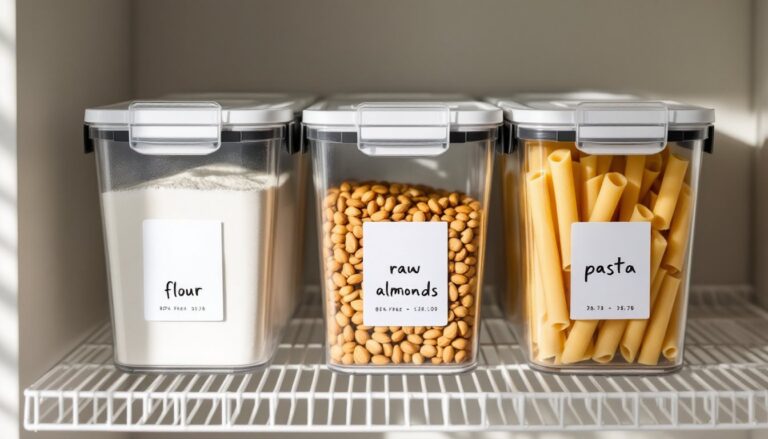
Label everything. Even if using clear containers, labels on the outward-facing side save time when searching for specific items. Chalk markers work well on dark fabric bins, while simple masking tape and permanent marker suffice for plastic containers.
Multi-Functional Furniture for Compact Bedrooms
Multi-functional furniture eliminates the need to choose between seating, storage, and surface space, pieces serve double or triple duty. This approach reduces furniture footprint while increasing utility.
Storage ottomans provide seating, surface space, and hidden storage for blankets, pillows, or accessories. A 24×24-inch ottoman offers roughly 3 cubic feet of storage while serving as a bedside table alternative. Look for ottomans with removable tops rather than hinged lids, they’re more versatile and won’t slam shut on fingers.
Wall-mounted fold-down desks create workspace that disappears when not needed. A simple 36×18-inch desk surface mounted with piano hinges and folding leg brackets provides adequate work area. When folded up, it protrudes just 3-4 inches from the wall. Secure the mounting board into at least two wall studs with 3-inch screws.
Headbords with built-in shelving replace nightstands entirely. Bookcase headboards typically add 10-12 inches of depth but eliminate the need for separate side tables. These work particularly well in rooms where nightstands create traffic flow problems.
Implementing multifunctional storage strategies throughout the bedroom reduces the total number of furniture pieces needed. Fewer pieces mean more floor space and easier movement around the room.
Ladder shelving leans against walls without requiring installation. The angled design takes up minimal floor space, typically 20-24 inches, while providing 4-5 shelves for books, folded clothes, or decor. The open design feels less bulky than closed bookcases.
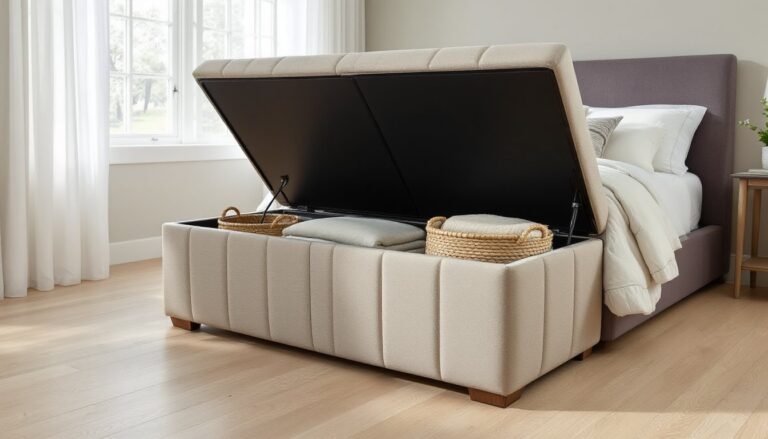
Bench seating with lift-top storage sits at the foot of the bed, providing a place to sit while putting on shoes plus storage for extra linens or seasonal clothing. Most bedroom benches measure 48-60 inches long, measure your bed width to ensure proper proportion.
Closet Organization Hacks to Double Your Storage
Standard bedroom closets waste significant space with single rods and empty vertical areas. Strategic organization systems dramatically increase capacity without expanding the closet footprint.
Double-hang rods instantly double hanging capacity for shirts, pants, and folded-over garments. Install the top rod at 80 inches and the bottom rod at 40 inches, this leaves adequate clearance for most clothing while maximizing vertical space. Use heavy-duty closet rod brackets secured into studs or backing boards: a 48-inch rod can hold 30-50 pounds when properly supported.
Shelf dividers keep stacked clothing from toppling into messy piles. Wire or acrylic dividers install without tools, simply sliding onto existing shelves. These work particularly well for sweaters, jeans, and handbags.
Slim velvet hangers save 30-40% more space than plastic or wooden hangers. They also prevent clothing from slipping off. This simple swap often creates room for 10-15 additional garments in a standard 4-foot closet.
Over-door organizers add storage without installation. Shoe organizers with clear pockets work well for accessories, socks, undergarments, or small accessories, not just footwear. A standard 24-pocket organizer provides substantial storage in an otherwise unused area.
Accessible storage makes daily routines smoother by keeping frequently-used items within easy reach. Reserve high shelves for off-season items or rarely-used belongings.
Pull-out bins or baskets on closet floors corral shoes and accessories while remaining accessible. These prevent the shoe pile chaos that develops when items sit directly on the floor. Standard wire baskets measuring 12×18 inches fit most closet configurations.
According to organization experts at Real Simple, closet decluttering should happen seasonally, purging items that no longer fit or haven’t been worn in 12 months creates immediate space gains without any installation.
Creative Hidden Storage Ideas You Haven’t Tried Yet
Hidden storage maintains clean aesthetics while maximizing capacity in unexpected places. These solutions require more planning but deliver significant space gains.
Hollow ottomans at the foot of the bed look decorative but hide blankets or off-season clothing. DIY versions can be built using ½-inch plywood, foam cushioning, and fabric. A 36x18x18-inch ottoman provides roughly 6 cubic feet of hidden storage.
False drawer fronts below beds create slide-out storage that looks built-in. Mount drawer slides rated for 100+ pounds to the bed frame and build shallow boxes (4-6 inches deep) that pull out for storing flat items like gift wrap, craft supplies, or extra linens.
Floating nightstands with hidden compartments attach to the wall and include small drawers or flip-down sections. These take up zero floor space while providing surface area and concealed storage. Most mount with a French cleat system, a 45-degree beveled mounting board that hangs securely on a corresponding wall-mounted cleat.
Window seat storage converts the space beneath windows into functional storage. Building a basic window seat requires 2×4 framing covered with ¾-inch plywood and topped with a hinged lid. This creates a reading nook while storing items that would otherwise clutter the room. Ensure adequate clearance for baseboard heaters or radiators.
Creative DIY enthusiasts on IKEA Hackers regularly transform basic storage cubes into custom solutions, adding doors, stacking configurations, or building them into window seats or under-stair storage.
Mirror cabinets function as decorative mirrors while hiding jewelry, accessories, or daily-use items behind. Full-length mirror cabinets typically measure 48×14 inches and include interior shelving. Mount these into wall studs using appropriate hardware, a filled mirror cabinet can weigh 40-60 pounds.
Small-space advocates at Apartment Therapy emphasize that hidden storage works best when items stored are accessed weekly or monthly rather than daily. Frequently-needed items should remain visible and easily accessible.
Conclusion
Small bedroom storage success comes from strategic thinking rather than buying more containers. Vertical systems, under-bed solutions, multi-functional furniture, optimized closets, and hidden storage work together to maximize every square foot. Start with one area, closet reorganization or vertical wall storage, and build from there. The bedroom should feel larger and more functional once proper storage systems are in place, proving that smart solutions matter more than square footage.