Table of Contents
ToggleA cluttered entryway sets the wrong tone for your entire home. Shoes pile up, coats drape over chairs, and keys vanish into the void. But a cramped footprint doesn’t mean you’re stuck with chaos. With the right combination of vertical thinking, multifunctional furniture, and hidden compartments, even a 3×5-foot entry can hold jackets, shoes, bags, mail, and seasonal gear without looking like a storage locker. This guide walks through 15 proven solutions, from wall-mounted systems to weekend DIY builds, that transform tight entries into organized, functional spaces.
Key Takeaways
- Small entryway storage solutions like vertical shelving, wall-mounted hooks, and multifunctional furniture can transform even a 3×5-foot entry into an organized, functional space without creating visual clutter.
- Audit your household’s actual daily gear—shoes, coats, bags, sports equipment—and design small entryway storage around real needs rather than aspirational Pinterest designs for maximum efficiency.
- Wall-mounted hooks rated for 15–25 pounds, floating shelves, and pegboard systems offer flexible vertical storage that keeps sightlines open and prevents cramped entries from feeling more cramped.
- Storage benches with lift-top lids and hidden compartments provide dual functionality, seating plus shoe storage, while hall trees and console tables maximize storage density in compact footprints.
- Hidden storage solutions like under-bench drawers, behind-the-door organizers, and closed upper cabinets keep seasonal and backup gear out of sight while keeping daily-use items accessible.
- DIY projects like floating shoe shelves, pegboard wall organizers, and under-bench rolling bins cost under $50 each and can be completed in a weekend without sacrificing durability or design.
Why Small Entryway Storage Matters More Than You Think
An entryway serves as the buffer zone between outdoor mess and indoor living. Without dedicated storage, dirt tracks through the house, outdoor gear migrates to bedrooms, and daily routines turn into scavenger hunts.
From a structural standpoint, most builders treat entryways as circulation space rather than functional rooms. That means no closets, minimal outlets, and walls that might already house electrical runs or HVAC chases, limiting where you can anchor heavy shelving. Renters face even tighter constraints with lease clauses that prohibit wall penetrations.
But ignoring entryway storage creates downstream problems. Mud and moisture damage hardwood floors. Coats thrown on furniture wear upholstery. Keys and wallets left on random surfaces slow morning exits. A well-planned entry saves time, protects finishes, and keeps the rest of the home cleaner.
The trick is matching storage density to actual use. A household with three kids and two dogs needs different capacity than a couple in a condo. Audit what actually enters and exits daily, shoes, bags, sports gear, pet leashes, umbrellas, then design around those items rather than aspirational Pinterest boards.
Vertical Storage Solutions That Double Your Space
When floor space is limited, walls become prime real estate. Vertical storage pulls items off the ground and keeps sightlines open, making a narrow entry feel less cramped.
Floor-to-ceiling shelving units work well in entries with at least 8-foot ceilings. Look for units 12 to 16 inches deep, shallow enough to avoid blocking pathways but deep enough for boots and bins. Anchor tall units to wall studs with 3-inch wood screws or toggle bolts rated for the unit’s loaded weight. Most units hold 50 to 75 pounds per shelf when properly secured, but check the manufacturer’s specs and your wall construction. Drywall anchors alone won’t cut it for heavy loads.
Floating shelves above coat hooks capture the dead zone between 60 and 84 inches off the floor, perfect for hats, gloves, or decorative baskets that hide smaller clutter. Use 1×8 or 1×10 pine boards (actual dimensions 3/4″ × 7.25″ or 3/4″ × 9.25″) with concealed bracket systems rated for 25 to 50 pounds, depending on shelf length and load.
Slat wall panels or track systems offer flexibility. These modular systems let you reposition hooks, baskets, and shelves without new wall penetrations. Install the base track into studs, then clip accessories as needs change. Track systems shine in households with shifting gear, swap ski equipment hooks for bike racks as seasons turn.
Wall-Mounted Hooks and Pegboards
Heavy-duty coat hooks are the workhorse of entryway storage. Opt for hooks rated for 15 to 25 pounds each, cheap zinc hooks bend under winter coat weight. Space hooks 6 to 8 inches apart to prevent coat crowding. Mount into studs when possible: if studs don’t align, use ribbed plastic anchors rated for drywall, not those flimsy nail-in types.
For families with varying heights, install a double-height hook system: adult hooks at 60 inches, kids’ hooks at 40 inches. This prevents jackets from dragging on the floor and teaches children to hang their own gear.
Pegboard transforms a wall into customizable storage. Standard pegboard comes in 1/4-inch tempered hardboard with 1-inch hole spacing. Frame it with 1×2 furring strips (actual 3/4″ × 1.5″) to create the 1/2-inch standoff pegboard hooks require. Secure the frame to studs with 2.5-inch screws every 16 inches. Paint pegboard with semi-gloss latex for easy cleaning, flat paint absorbs grime.
Pegboard accessories include J-hooks for bags, basket holders for mail, and shelf brackets for phones and wallets. The advantage over fixed shelving is reconfigurability without new holes. When kids outgrow backpack hooks, swap them for umbrella clips in five minutes.
Multifunctional Furniture for Compact Entryways
Furniture that serves double or triple duty earns its footprint in a small entry. The key is choosing pieces that actually match your household’s workflow rather than display-only showpieces.
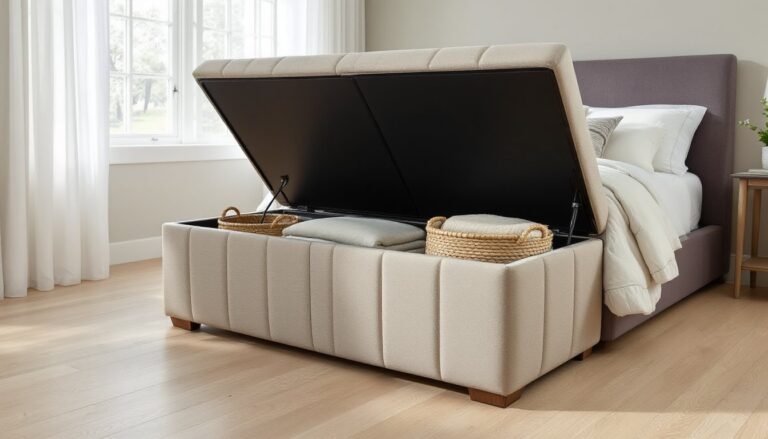
Storage benches combine seating with hidden compartments for shoes, bags, or seasonal items. Look for benches with lift-top lids rather than drawer fronts, drawers require clearance and reduce interior volume. A 48-inch bench typically holds 8 to 12 pairs of adult shoes in the main compartment. Choose benches with slatted tops or ventilated lift mechanisms if storing damp shoes or gym bags, solid lids trap moisture and breed mold.
When selecting a bench height, 18 inches is the standard seat height, comfortable for most adults tying shoes. Lower benches (14 to 16 inches) suit kids but feel awkward for adults. If the bench doubles as an entryway landing spot for bags, test that the lid stays open at 90 degrees without slamming, cheap hinges fail fast.
Hall trees pack hooks, shelves, and a bench into one vertical unit. These work best in entries with at least 24 inches of clear wall width and minimal door swing interference. Hall trees typically range from 72 to 84 inches tall and 18 to 24 inches deep. Tip-over risk is real, anchor the back panel to wall studs with L-brackets and 2.5-inch screws, especially in households with climbing toddlers or large dogs.
Console tables with lower shelves create two storage tiers in a slim profile. Choose tables 10 to 12 inches deep to preserve walkway clearance. The top surface holds a catch-all tray for keys and mail, while the lower shelf accommodates baskets or bins. For renters looking for flexibility, many homeowners find that modular storage cubes can be stacked or rearranged beneath console tables to customize capacity.
Shoe cabinets with slim profiles (as narrow as 6 inches deep) use angled shelves or drop-front bins to store shoes vertically rather than flat. A 24-inch-wide cabinet can hold 12 to 18 pairs depending on shoe size and shelf configuration. These work well in entries where a traditional shoe rack would block the pathway.
Hidden Storage Ideas That Keep Clutter Out of Sight
Visible storage works for daily-use items, but a small entry quickly looks chaotic without concealment strategies for backup gear, seasonal items, and household overflow.
Under-bench drawers or bins maximize space beneath seating. If building a bench, install drawer slides rated for 75 to 100 pounds, cheap slides stick and fail within months. For existing benches without drawers, low-profile rolling bins slide underneath and pull out for access. Choose bins 4 to 6 inches tall to fit beneath typical 18-inch bench heights with clearance for legs.
Behind-the-door storage captures dead space on the entry door’s interior. Over-the-door organizers work for lightweight items like gloves and dog leashes, but check that added thickness doesn’t prevent the door from closing fully, 2-inch-thick organizers can interfere with doorstops or adjacent walls. For heavier items, mount a narrow pegboard panel or hook rail directly to the door with screws into the door’s solid core (avoid hollow-core doors for this application).
Toe-kick drawers beneath built-in benches or cabinets use the 4-inch recess at floor level. These shallow drawers suit flat items like shoe inserts, pet supplies, or cleaning rags. Building toe-kick drawers requires accurate measurement, most base cabinets have 3.5 to 4 inches of usable height and 22 to 23 inches of depth. Use undermount drawer slides to maximize interior space.
Closed cabinets hide clutter entirely. Upper cabinets mounted 72 to 84 inches off the floor store out-of-season gear without sacrificing lower wall space for hooks. Lower cabinets with adjustable shelves adapt to changing storage needs, raise shelves for tall boots in winter, lower them for bins in summer. In spaces where closed cabinetry feels too heavy visually, designers often suggest incorporating accessible storage principles with a mix of open and closed elements.
Built-in cubbies framed into wall cavities between studs create hidden niches for keys, mail, or small electronics. Standard 2×4 wall framing (actual 1.5″ × 3.5″) offers 3.5 inches of depth, enough for a phone charging station or mail sorter. Frame the opening with 1×4 trim, install a small shelf, and paint the interior a contrasting color. Check for electrical wiring before cutting into walls, and never cut studs without consulting a structural engineer.
DIY Small Entryway Storage Projects You Can Build This Weekend
Custom storage fits odd dimensions and personal workflows better than off-the-shelf furniture. These projects require basic carpentry skills and tools most DIYers already own.
Simple Coat Rack with Shelf (2-3 hours, ~$30)
Materials: One 1×6 pine board (6 to 8 feet long, actual 3/4″ × 5.5″), four to six coat hooks, wood glue, 1.25-inch finish nails or brad nails, sandpaper, paint or stain.
- Cut the board to desired length (48 to 72 inches works for most entries).
- Sand all edges smooth with 120-grit sandpaper.
- Mark hook positions 6 to 8 inches apart, starting 4 inches from each end.
- Pre-drill pilot holes slightly smaller than hook screw diameter to prevent splitting.
- Apply finish (paint or stain plus polyurethane topcoat).
- Install hooks once finish dries.
- Mount board to wall studs at 60 inches height with 2.5-inch wood screws through the back into studs, or use heavy-duty toggle bolts if studs don’t align.
The top surface holds small bins or decor: hooks below handle coats and bags.
Floating Shoe Shelf (3-4 hours, ~$40)
Materials: Two 1×12 pine boards (4 feet long, actual 3/4″ × 11.25″), four floating shelf brackets (rated for 50+ pounds), wood screws, stud finder, level.
- Locate wall studs with a stud finder. Mark stud centers.
- Install floating shelf brackets into studs at 12 and 24 inches off the floor (two shelves).
- Cut boards to length if needed (48 inches fits most entries).
- Sand and finish boards.
- Slide boards onto brackets and secure per bracket instructions.
Each shelf holds 6 to 8 pairs of adult shoes. For added organization, many DIYers reference small space solutions for ideas on styling and arranging shoes visually.
Pegboard Wall Organizer (2-3 hours, ~$50)
Materials: One 4×4-foot pegboard panel, 1×2 furring strips (16 feet total), 2.5-inch wood screws, 1.25-inch screws, pegboard hooks and accessories, primer, paint.
- Cut furring strips into four 48-inch horizontal pieces.
- Locate studs. Mark layout on wall.
- Screw furring strips horizontally to studs at top, middle (two strips), and bottom of pegboard area.
- Prime and paint pegboard (allows easier cleaning).
- Attach pegboard to furring strips with 1.25-inch screws every 12 inches.
- Add hooks, baskets, and shelves as needed.
Pegboard organizers work especially well for households that enjoy IKEA furniture customization: the modular nature aligns with projects often featured on IKEA Hackers for creative budget-friendly solutions.
Under-Bench Storage Bins (1 hour, ~$20)
Materials: Two to four rolling storage bins with lids, chalkboard labels or label maker.
- Measure under-bench clearance (height and depth).
- Purchase bins that fit with 1 to 2 inches of clearance.
- Label bins by category (winter accessories, pet gear, sports equipment).
- Roll bins under bench: pull out as needed.
No construction required, but the organizational impact rivals built-ins.
Safety notes: Wear safety glasses when cutting wood. Use a dust mask when sanding. Ensure proper ventilation when applying finishes. Double-check that wall anchors and brackets are rated for intended loads, most entryway storage failures come from undersized hardware, not poor design. For households looking to streamline the clutter-clearing process, proven decluttering strategies can help decide what actually deserves entryway real estate.
Conclusion
Small entryways don’t have to mean sacrificing function. By combining vertical storage, multifunctional furniture, and strategic hidden compartments, even the tightest entry can handle daily gear without visual chaos. Start with an honest audit of what actually needs storage, then build outward with solutions that match your space and skill level. A well-organized entry pays dividends every single day.